If your perimeter fails, you’re not just facing a breach; you’re facing downtime, operational disruption, and financial risk that impacts your entire site.
For warehouses, logistics hubs, and industrial facilities, the real challenge isn’t just preventing access. It’s maintaining control over who enters, how operations flow, and how risks are contained before they escalate.
Choosing the right high security fencing system isn’t just a procurement decision, it’s a decision that directly affects site performance, safety, and long-term reliability — something Summit Fencing has been delivering across commercial and high-risk environments for over 25 years.
Not all security fencing systems are built for the same level of risk. The right solution depends on how your site operates, what you’re protecting, and how effectively your perimeter can resist, delay, and deter intrusion attempts.
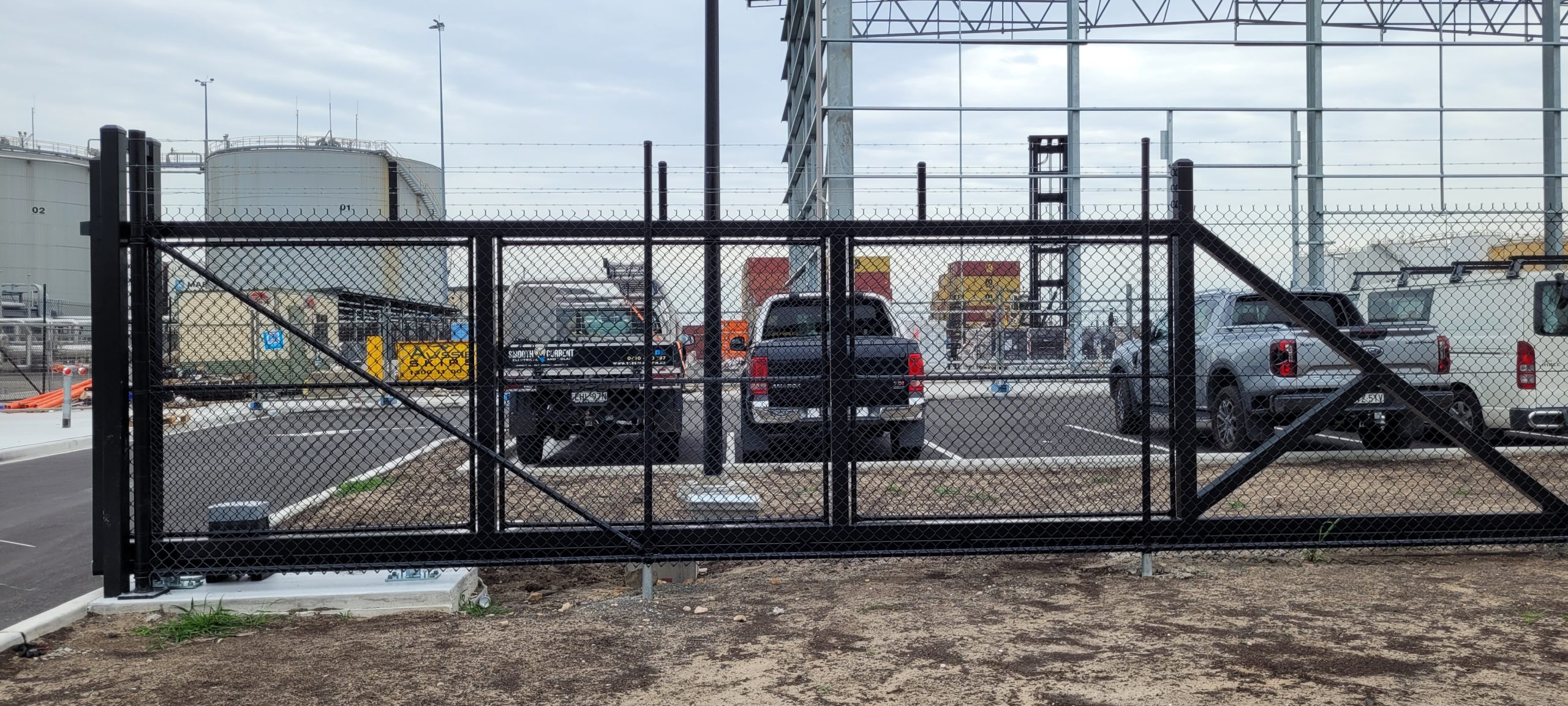
This security fencing comparison highlights how each system performs across key decision factors, helping you assess which fencing system aligns with your site’s risk level, visibility requirements, and operational needs.
| Fencing Type | Security Level | Anti-Climb | Visibility | Best For |
| 358 High Security Mesh | Very High | Excellent (Finger-proof mesh) | Excellent (Visually discreet) | Correctional facilities, government, airports, utilities, emergency services. |
| Palisade W-Pale Fencing | Very High | Excellent (Triple-point W-pale pickets) | Good | Data centres, critical IT, military, mining, high-risk infrastructure. |
| Tubular Fencing (Crimp Top / Flat Top) | Medium-High | Good (Crimp top deters climbing) | Good | Industrial warehouses, distribution centres, schools, universities, playgrounds. |
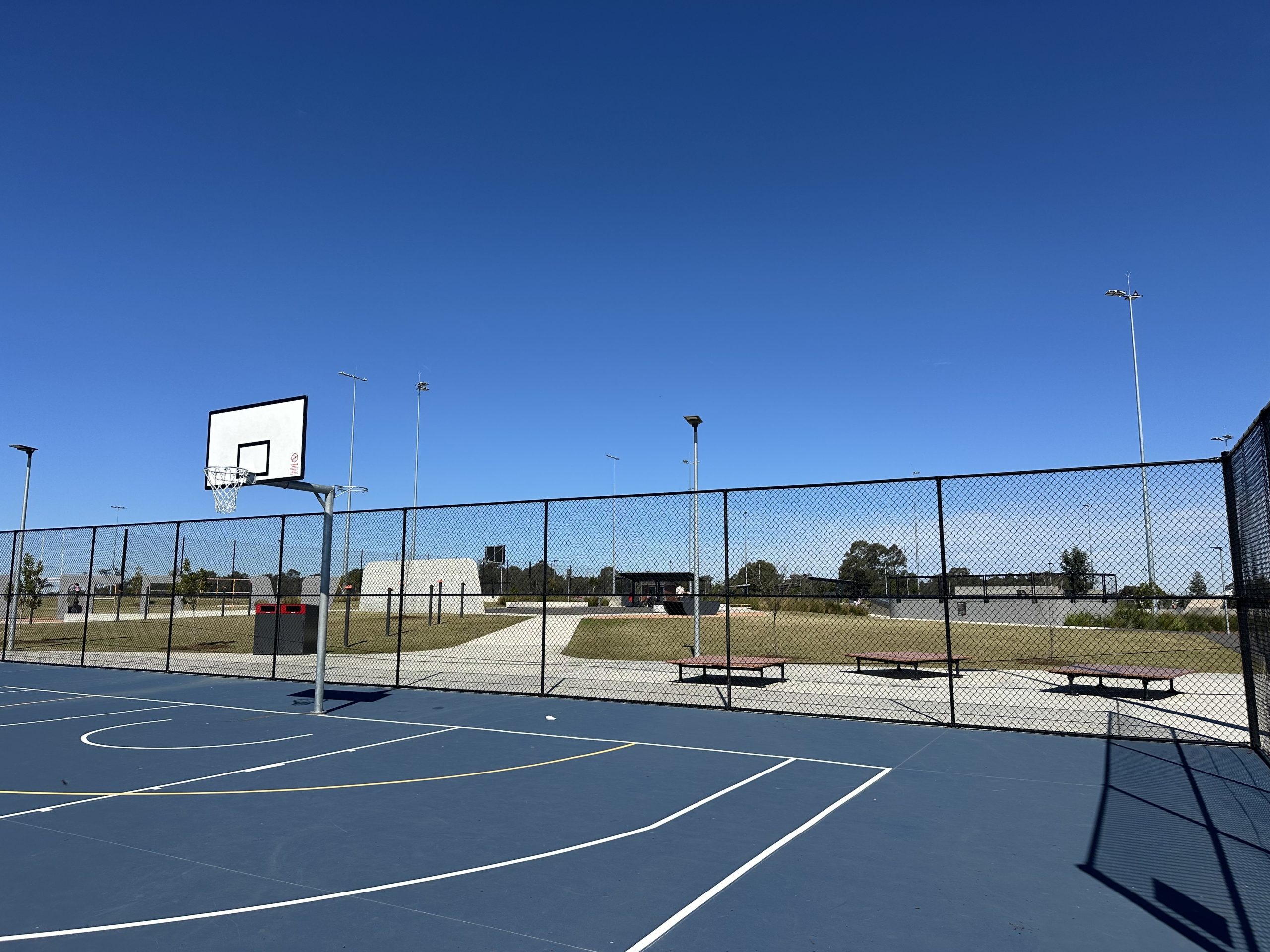
| Chain Link / Chainwire Fencing | Medium | Moderate | Excellent | Boundary fencing, enclosures, storage cages, warehouse screens, sports facilities. |
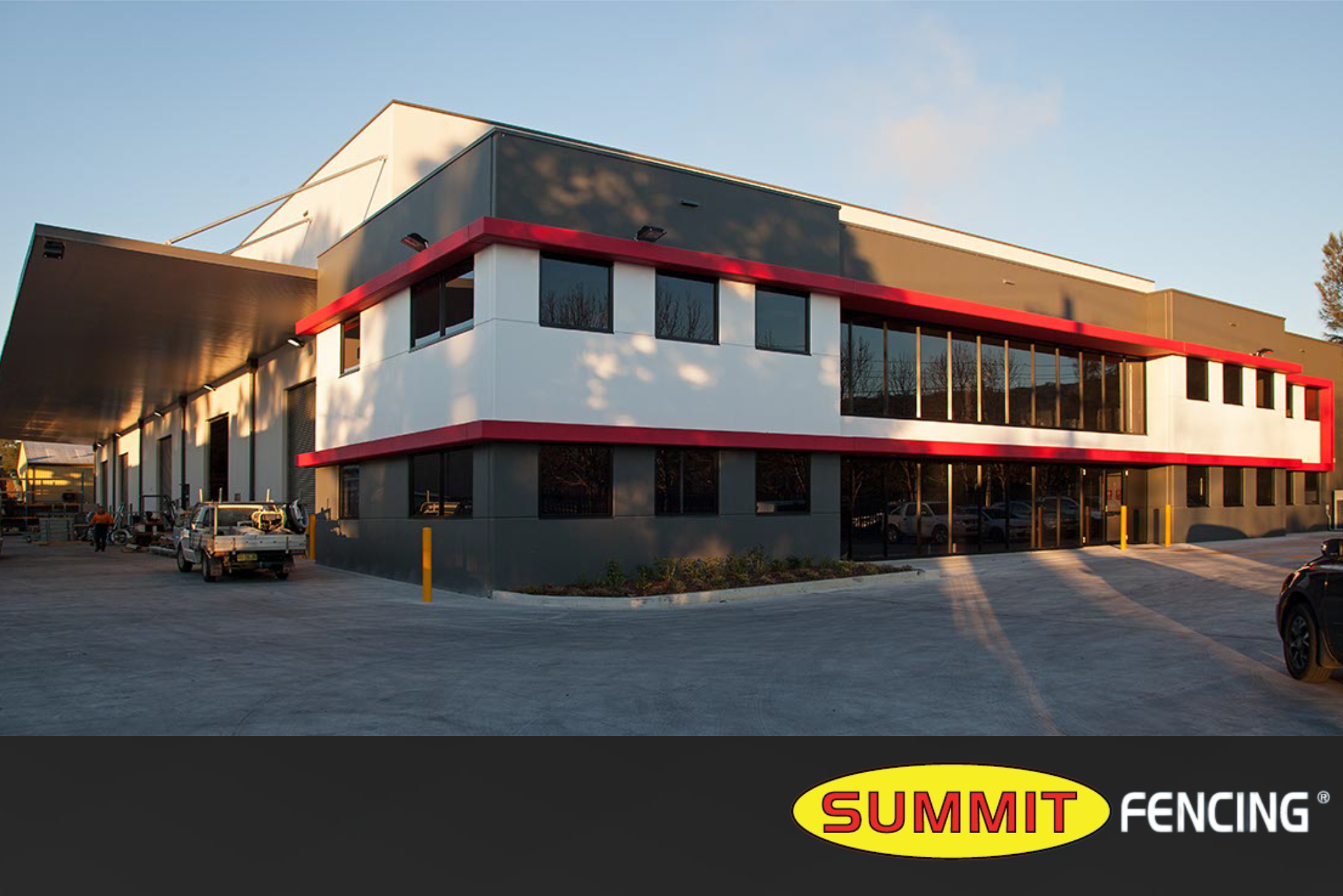
The real test of a fence isn’t how it’s installed, but how it performs when your site is under pressure.
When evaluating anti-climb fencing and high risk perimeter fencing, look beyond appearance and cost. The focus should be on how well the system reduces risk and maintains control against real-world attempts to breach it.
High-performing systems are designed to:
This is what separates standard security fencing from systems built for operational reliability.

Where intrusion is a real risk, 358 high security mesh is engineered to minimise vulnerability at the perimeter.
Its tight mesh spacing restricts both handholds and tool access, making climbing and cutting significantly more difficult. At the same time, it preserves clear visibility, allowing CCTV and surveillance systems to function without blind spots.
Why it works:
For logistics facilities, utilities, and data centres, it delivers both protection and operational visibility, making it a leading high security fencing solution where uninterrupted security is critical.

If deterrence is just as important as defence, palisade fencing sets the benchmark. It is built to send a clear message before a breach is even attempted.
With heavy-duty steel pales and aggressive anti-climb profiles, it creates both a physical and psychological barrier. This makes it particularly effective in environments where repeated or deliberate intrusion attempts are expected.
Why it works:
In a security fencing comparison, it also stands out for sites where visibility is less important than deterrence and strength. Compared to mesh systems, it offers a stronger visual deterrent, making it a highly effective high risk perimeter fencing option in exposed or high-risk locations.
View Palisade High Security Fencing

For large sites, chainwire fencing provides adaptable coverage and flexibility without unnecessary complexity.
While it offers excellent visibility, its role in a security fencing comparison is clear, best suited to medium-risk environments rather than critical infrastructure.
Why it works:
It’s widely used across boundary fencing, warehouse divisions, storage cages, and high screens due to its adaptability and cost efficiency.
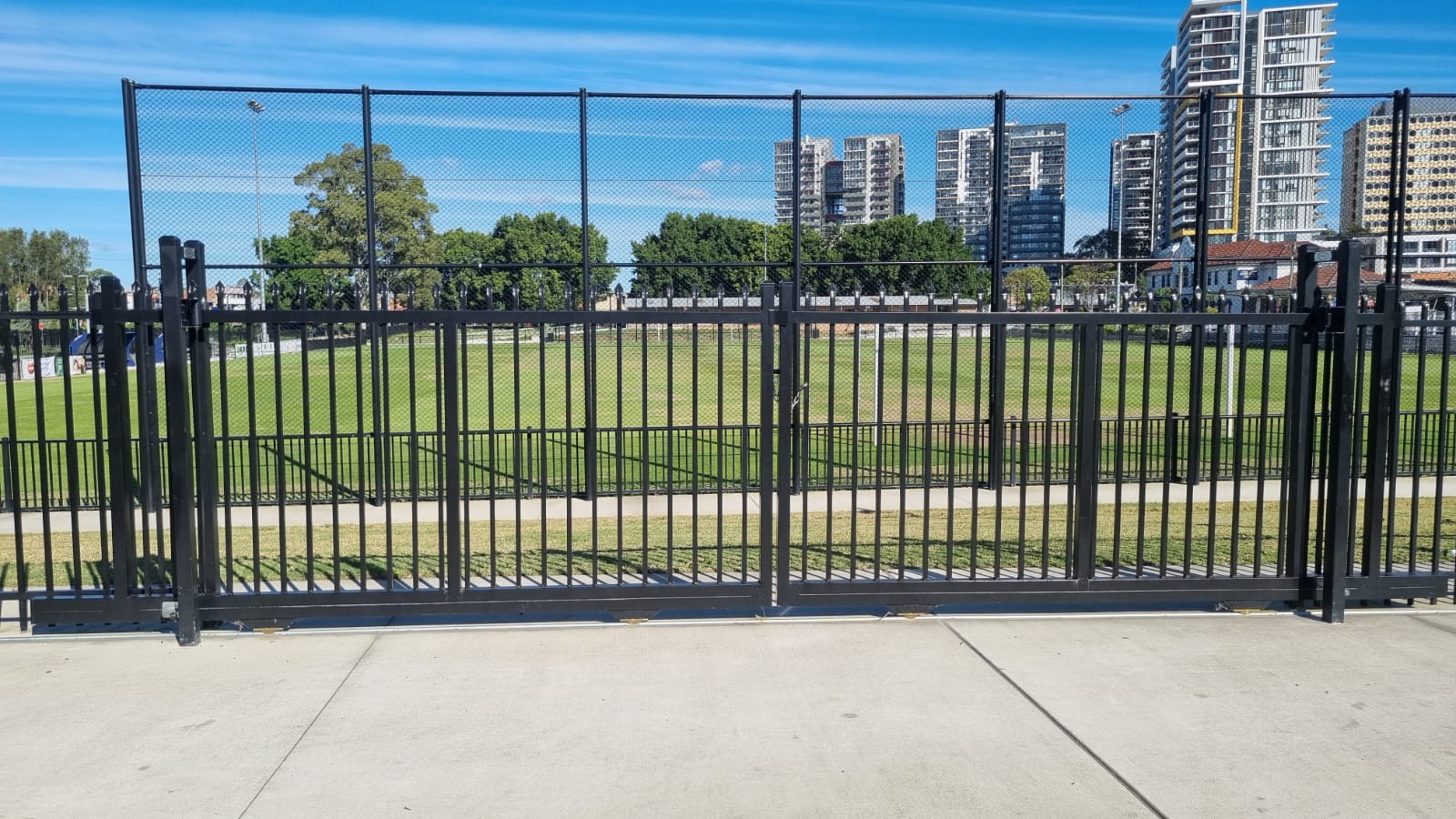
Tubular fencing delivers reliable protection while maintaining a clean, professional appearance.
Its structured design and durable finish make it suitable for environments where security needs to align with public-facing or commercial standards.
Manufactured from pre-galvanised steel with powder-coated protection, it offers consistent strength and long-term durability without compromising on appearance.
Why it works:
It’s commonly used across warehouses, schools, and commercial developments where presentation and aesthetics matter, without undermining performance.
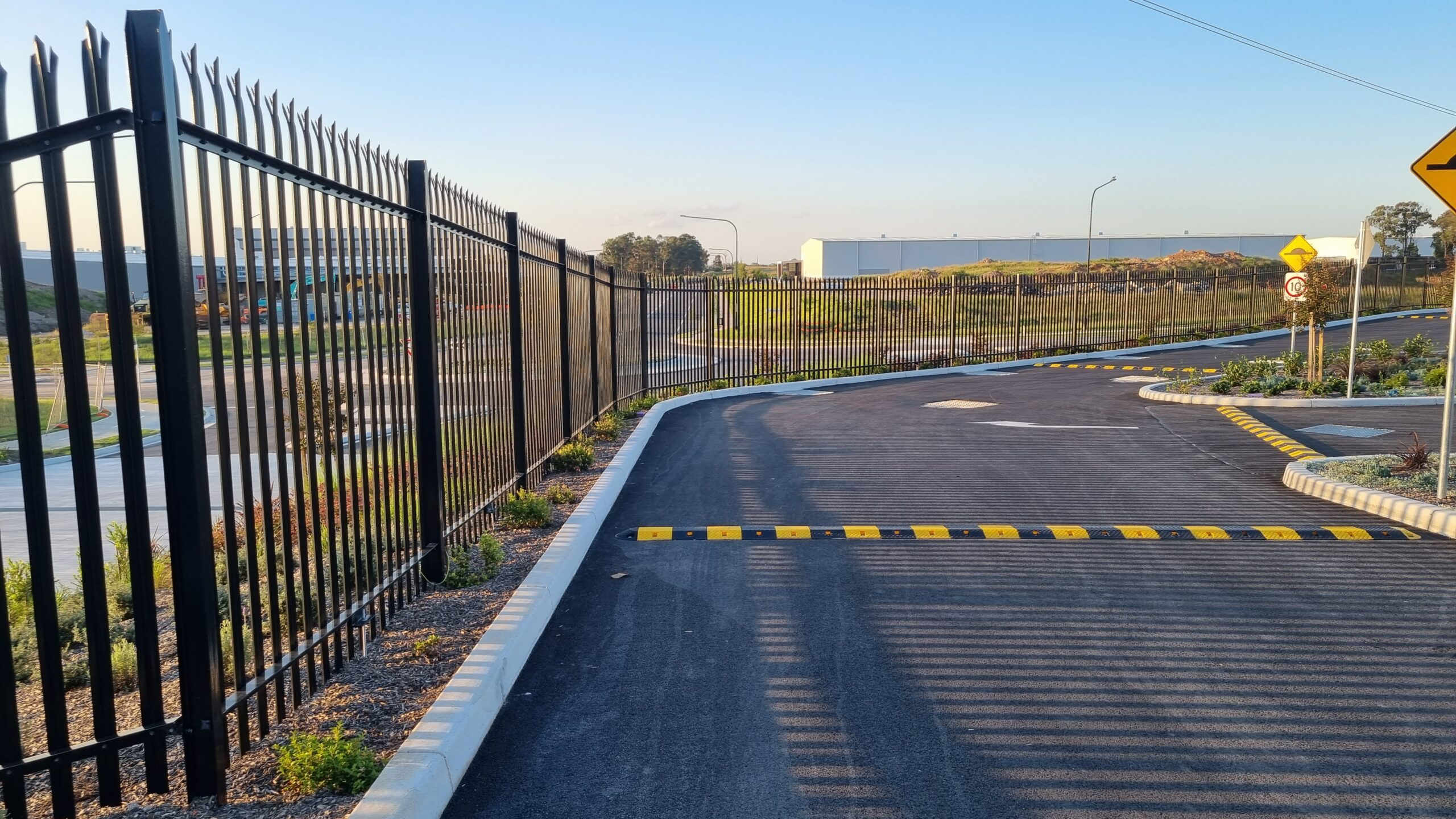
Choosing the right system comes down to how your site operates and what level of risk it needs to manage.
The most effective high security fencing solution is the one aligned with how your site functions day to day.
Assess your risk level, access requirements, and how your surveillance system interacts with the perimeter, including visibility and coverage. Factor in ongoing maintenance requirements and whether the solution can support future automation or system upgrades.
A well-designed perimeter doesn’t just protect assets, it supports operational continuity, improves safety, and reduces long-term risk exposure.
Speak with Summit Fencing to assess your site requirements and implement a perimeter solution designed to minimise risk, maintain control, and support long-term operations.




 Support
 Contact Us
 Projects
 Products